Sales & Services
Everything you need for sustainable development and proper disposal of waste.

Our Services
Waste disposal and resource management for the betterment of the environment
Water Treatment Plant
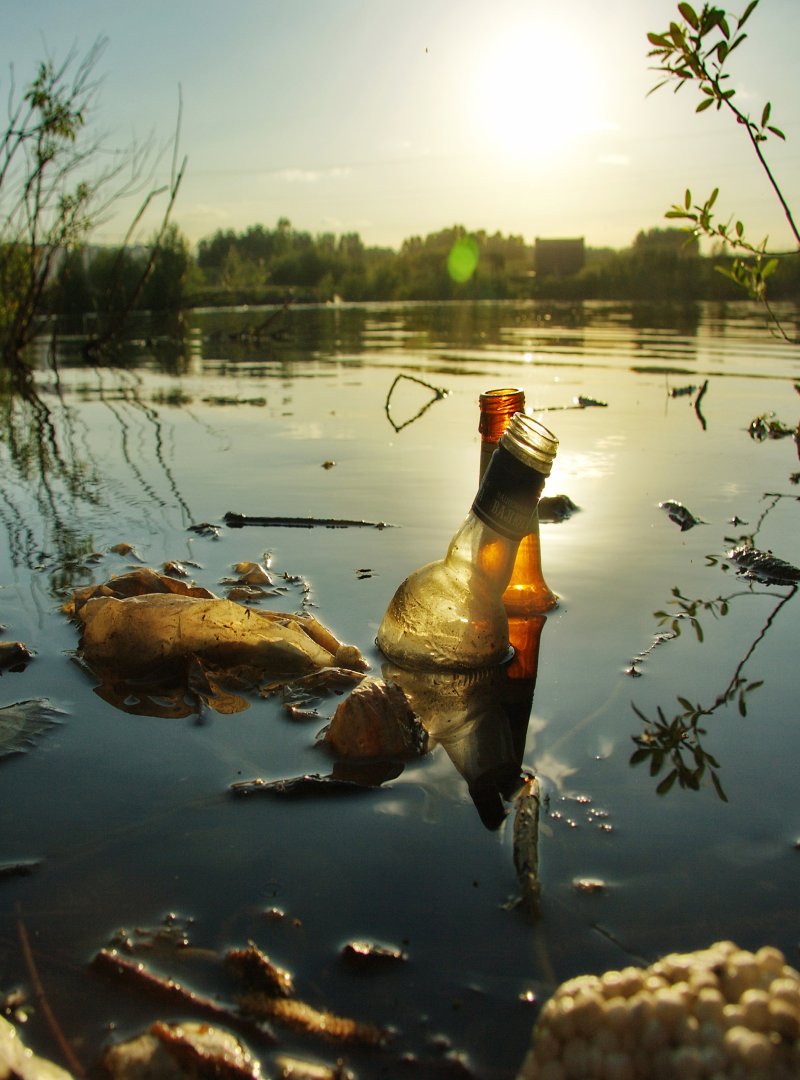
Water treatment is any process that improves the quality of water to make it more acceptable for a specific end-user. The end use may be drinking, industrial water supply, irrigation, river flow maintenance, water recreation and many other uses, including being safely returned to the environment. Water treatment removes contaminants and undesirable components, or reduces their concentration so that the water becomes fit for its desired end-user. This treatment is crucial to human health and allows humans to benefit for both drinking and irrigation use. Our water treatment plants work to remove suspended particles such as dirt, dust, and rust. Further they are ideal to remove heavy metals, bad taste, colour and odour from water. Owing to these features, they are widely used in major industrial and domestic applications.
Treatment for production of drinking water involves the removal of contaminants from raw water to produce water that is pure enough for human consumption without any short term or long term risk of any adverse health effects. In general terms, the greatest microbial risks are associated with ingestion of water that is contaminated with human or animal faeces. Faeces can be a source of pathogenic bacteria, viruses, protozoa, and helminths. These are the substances that are removed during the process of drinking water treatment. Disinfection is of unquestionable importance in the supply of safe drinking-water. The destruction of microbial pathogens is essential and very commonly involves the use of reactive chemical agents. Such suspended solids, bacteria, algae, viruses, fungi, and minerals such as iron and manganese. These substances continue to cause great harm to several under developed countries who do not have access to water purification.
Wastewater Treatment Plant
Wastewater is used water. It includes human waste, food grains, oils, soaps, and chemicals. Used water from home includes water from sinks, toilets, bathroom and washing machines etc. Businesses and industries also contribute their share of used water that must be cleaned. Industrial wastewater contains specific pollutants depending on the nature of the industrial activity.
Wastewater treatment is the process of converting wastewater (water that is no longer needed or is no longer suitable for use) into water that can be discharged back into the environment. Wastewater is full of contaminants including bacteria, chemicals, and other toxics. The treatment aims at reducing the contaminants to acceptable levels and make it safer.
Sewage Treatment Plant
Though sewage or effluent is dirty, it is still a permanent source of water. If treated properly, these water sources can very well satisfy our maximum need of non potable water requirements.
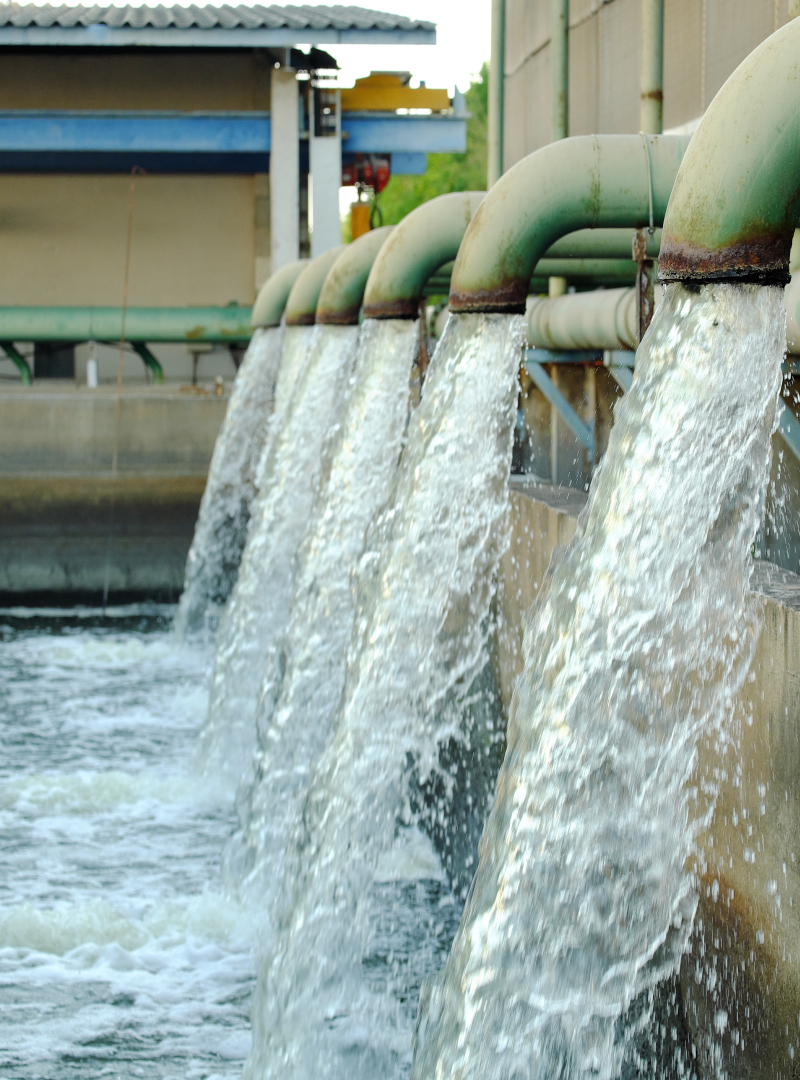
Sewage treatment is the process of removing contaminants from municipal wastewater, containing mainly household sewage plus some industrial wastewater. Physical, chemical, and biological processes are used to remove contaminants and produce treated wastewater (or treated effluent) that is safe enough for release into the environment. A by-product of sewage treatment is a semi-solid waste or slurry called sewage sludge. The sludge has to undergo further treatment before being suitable for disposal.
Sewage treatment may also be referred to as wastewater treatment. However, the latter is a broader term which can also refer to industrial wastewater. For most cities, the sewer system will also carry a proportion of industrial effluent to the sewage treatment plant which has usually received pretreatment at the factories themselves to reduce the pollutant load. If the sewer system is a combined sewer then it will also carry urban runoff (stormwater) to the sewage treatment plant. Sewage water can travel towards treatment plants via piping and in a flow aided by gravity and pumps. The first part of filtration of sewage typically includes a bar screen to filter solids and large objects which are then collected in dumpsters and disposed of in landfills. Fat and grease is also removed before the primary treatment of sewage.
Effluent Treatment Plant (ETP) and Zero Liquid Discharge Plant (ZLD)
Being a quality centric organization, we are able to offer our clients effluent treatment plant of utmost quality. These plants are manufactured by our professionals in compliance with defined standards, using premium quality raw material sourced from reliable vendors of the market as per the defined industry standards and customized depending upon the need of the clients. Depending upon the constituents of wastewater, physical and chemical treatment processes are selected. It is followed by biological treatment. It contains organic wastes which sometimes require water softening or reverse osmosis (RO) and multi effect evaporator along with regular tertiary treatment. Obviously, provision of softener, RO and MEE converts the ETP into zero liquid discharge (ZLD).
Activated Sludge Process (ASP)
The activated sludge process is a type of wastewater treatment process for treating sewage or industrial wastewater using aeration and a biological floc composed of bacteria and protozoa.
The general arrangement of an activated sludge process for removing carbonaceous pollution includes the following items, an aeration tank where air (or oxygen) is injected in the mixed liquor. This is followed by a settling tank (usually referred to as “final clarifier” or “secondary settling tank”) to allow the biological flocs (the sludge blanket) to settle, thus separating the biological sludge from the clear treated water.
The activated sludge process (ASP) is a sewage treatment process in which air or oxygen is blown into the raw, unsettled sewage to smash the solids and develop a biological ‘soup’ which digests the organic content and pollutants in sewage.
Moving Bed Bio Reactor (MBBR)
The Moving bed Bioreactor (MBBR) is an economical solution offered for wastewater treatment if the pollution load is in “bulk”.The Moving bed Bioreactor (MBBR) is an economical solution offered for wastewater treatment if the pollution load is in “bulk”. With this application, we offer advanced wastewater treatment solutions for the industrial and municipal markets. These solutions significantly increase the capacity and efficiency of existing wastewater treatment plants, while minimizing the size of new plant deployments. This method makes it possible to attain good efficiency results of disposal with low energy consumption. This process is used for the removal of organic substances, nitrification and denitrification.
The MBBR system consists of an activated sludge aeration system where the sludge is collected on recycled plastic carriers. These carriers have an internal large surface for optimal contact water, air and bacteria.
The bacteria/activated sludge grow on the internal surface of the carriers. The bacteria breaks down the organic matter from the waste water. The aeration system keeps the carriers with activated sludge in motion. Only the extra amount of bacteria growth, the excess sludge will come separate from the carriers and will flow with the treated water towards the final separator.
The system can consist of a one stage or a multiple stage system depending on the specific demand. The specific bacteria remains in their own duty tank because of the fact that the carriers remain in only one tank, protected by screens.
Bio- Remediation Product
(KF-100)
Specially designed culture mix for generation of MLSS in STP and ETP. It will not only ensure the effective treatment of wastewater but it can also be used to enhance the treatment efficiency of Existing Plant.
Control panel for
ETP/ STP
Our organization is most reliable and trustworthy and exclusively engaged in offering a wide range of electrical control panel. These panels are manufactured by making use of the finest quality basic material and modern technology at our advanced production unit. The offered products can also be customized as per the need of the clients.
Composting Products
Compost is organic matter that has been decomposed in a process called composting. This process recycles various organic materials otherwise regarded as waste products and produces a soil conditioner.
Compost is rich in nutrients. It is used, for example, in gardens, landscaping, horticulture, urban agriculture and organic farming. The compost itself is beneficial for the land in many ways, including as a soil conditioner, a fertilizer, addition of vital humus or humic acids, and as a natural pesticide for soil. In ecosystems, compost is useful for erosion control, land and stream reclamation, wetland construction, and as landfill cover.
At the simplest level, the process of composting requires making a heap of wet organic matter (also called green waste), such as leaves, grass, and food scraps, and waiting for the materials to break down into humus after a period of months. However, composting also can take place as a multi-step, closely monitored process with measured inputs of water, air, and carbon- and nitrogen-rich materials. The decomposition process is aided by shredding the plant matter, adding water and ensuring proper aeration by regularly turning the mixture when open piles or “windrows” are used. Earthworms and fungi further break up the material. Bacteria requiring oxygen to function (aerobic bacteria) and fungi manage the chemical process by converting the inputs into heat, carbon dioxide, and ammonium. Addition of MSW-400 culture and timely turning the composting mixture will ensure to complete conversion and provide good quality compost cum soil conditioner.
Composting Culture (MSW-400)
MSW-400 is a specially formulated blend of microorganisms, bio-stimulants exclusively containing aerobic and anaerobic bacteria which secretes high quality enzymes amylase, lipase, cellulase, & xylose. It is used to reduce the volume of waste, deodorisation of waste dumping site, prevention from pathogens, helps to establish a biomass capable of handling high organic loads, reduces the volume of waste, reduces unpleasant odour at waste disposal site, increases biological activity due to thermophilic bacteria, breaks down all complex organic waste to rich soil like fertiliser, produces good quality compost, and prevents sites from mosquitoes and flies. It is cost effective & easy to use.
“Composting is defined as human intervention into the natural process of decomposition”. With a combination of proper environmental conditions and adequate time, microorganisms turn raw putrescible organic matter into a stabilized product. Through composting, readily available nutrients and energy sources are transformed into carbon dioxide, water, and a complex form of organic matter compost. Process management can be optimized for a number of criteria, including the rate of decomposition (to reduce residence time in reactors and thus minimizing facility size requirements), pathogen control, and odor management. The key parameters are the available carbon to nitrogen (C: N) ratio, moisture, oxygen, and temperature.
Composting Machine
It is a noble concept of material conservation. To make this concept successful, we offer our expert services and composting machine to domestic organic waste, garden waste, and other organic wastes into good quality compost. Thus, produced compost will not only help us in reducing pollution and deal with the problem of waste disposal, but it will also help us in producing organic compost.
Composting is a natural biological process carried out under controlled aerobic conditions (requires oxygen). In this process, various microorganisms, including bacteria and fungi break down organic matter into simpler substances. The effectiveness of the composting process is dependent upon the environmental conditions present within the composting system i.e. oxygen, temperature, moisture, material disturbance, organic matter and the size and activity of microbial populations.
Toilet / Urinal/ Kitchen Sinks/ Wash Basins Cleaner
Clean Enviro Products & Services provides a unique bio enzymatic product Clean All, which is very effective, economical, hygienic, and eco-friendly.
Clean All is a completely safe biological product which is highly effective in removing and preventing the buildup of dirt, grime, and limescale in toilets and urinal systems and their surrounding areas including floors, tiles, and grouting.
Clean All contains a blend of beneficial bacteria, bio enzymes, and bio surfactants. These bacteria consume all waste in and around the toilets/ urinals/ sinks as sources of food and in turn removes stains and odour. Bio enzymes present in Clean All breaks down long chain complex compounds into smaller compounds which are consumed by these bacterias. Bio surfactants remove all stains and lime scales. These bacteria dominate pathogenic bacteria and promote hygienic conditions.
Septic Tank
Bio-Remediation
Microbial strains present in Clean Septic specifically promote optimum enzymatic activity of protease, lipase, amylase, and cellulase, and provides outstanding breakdown of protein, starch, carbohydrates, fats, oils and grease.
The microorganisms in Clean Septic were selected based on each strain’s superior enzymatic activity against substrates such as fats, oils, grease, protein, starch, and carbohydrates. This consortium of microorganisms also exhibits exceptional organic degradation in both aerobic and anaerobic environments. It degrades tissue papers also along with detergents, fats, oils and grease.
Rama Flora
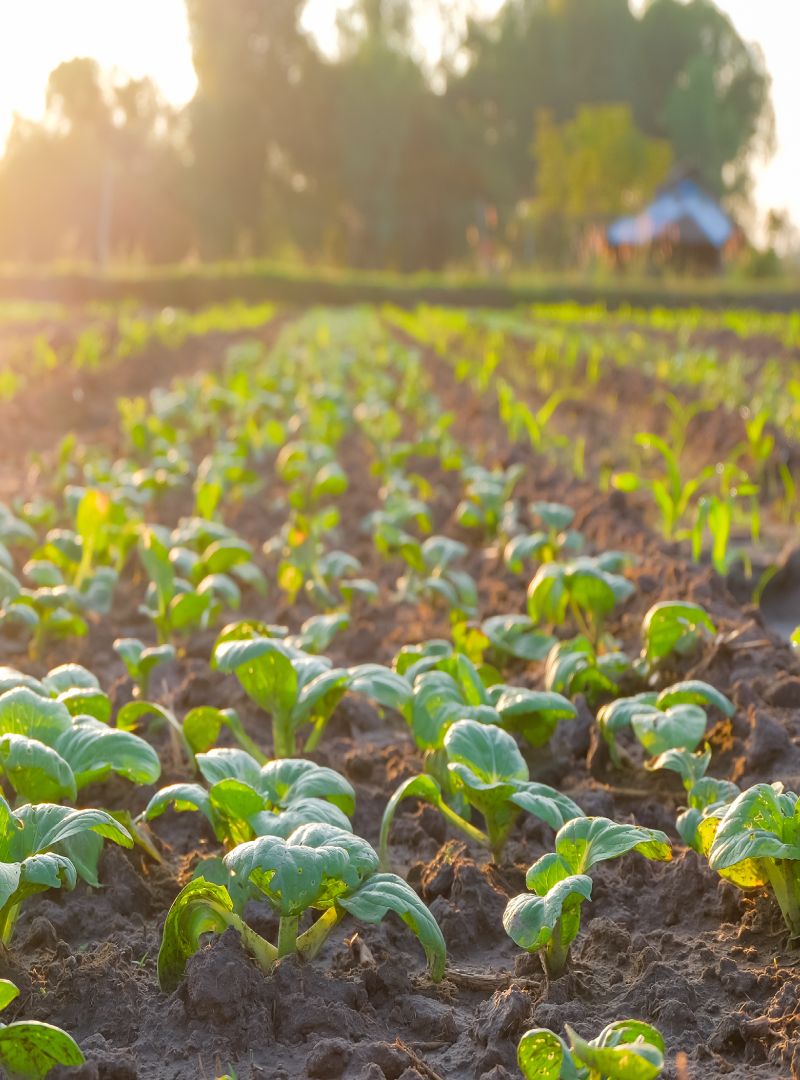
Rama Flora is a combination of Humic acid and Silicon powder. It is easily assimilated by plants and some of its main functions include improving plant immunity, improving plant metabolism, improving plant root development, improving the supply of nutritional elements and increasing the formation of ferments. Rama Flora promotes the increased accumulation of chlorophyll, sugar, amino acids and more, and improves the efficiency of nitrogen utilization, allowing for reduced fertilizer rates. Primary actions of talent are to increase the plant’s ability to withstand the stress of heat, drought, cold, disease, insects, and other types of environmental or cultural pressures.
Sarita Niroga
PSB based consortium of bacillus sps, Pseudomonas spp. and Trichoderma viride. Sarita Niroga is a biological combination of plant growth promoting microorganisms and biological control. It is produced by specially developed advanced technology of green solutions. Advanced production technology makes its unique than others products. It contains a high concentration of highly viable cell which is in dormant stage and proliferate quickly after being applied in the fields.
After being activated and during multiplication, microorganisms present in Sarita Niroga release various enzymes, secondary metabolites as well as hormones and vitamins, which promotes plant growth by solubilizing various nutrients, providing essential hormones and protecting the plant from harmful microbes. Sarita Niroga also controls root rot, collar rot, wilt, damping off, blast, flight, sheath, etc,. By this it improves plant growth by expressing beneficial effects on overall plant growth.
Clean. Renewable. Efficient.
From water management to waste disposal, we endeavour to conserve our resource for a better future and sustainable development