Water Treatment Plant
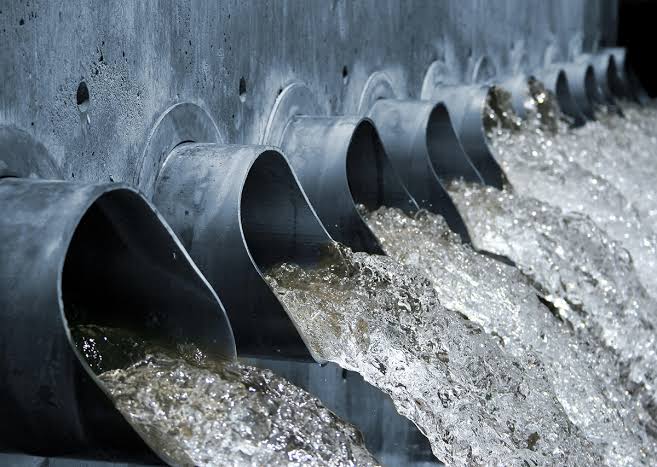
Water treatment is any process that improves the quality of water to make it more acceptable for a specific end-user. The end use may be drinking, industrial water supply, irrigation, river flow maintenance, water recreation and many other uses, including being safely returned to the environment. Water treatment removes contaminants and undesirable components, or reduces their concentration so that the water becomes fit for its desired end-user. This treatment is crucial to human health and allows humans to benefit for both drinking and irrigation use. Our water treatment plants work to remove suspended particles such as dirt, dust, and rust. Further they are ideal to remove heavy metals, bad taste, colour and odour from water. Owing to these features, they are widely used in major industrial and domestic applications.
Treatment for production of drinking water involves the removal of contaminants from raw water to produce water that is pure enough for human consumption without any short term or long term risk of any adverse health effects. In general terms, the greatest microbial risks are associated with ingestion of water that is contaminated with human or animal faeces. Faeces can be a source of pathogenic bacteria, viruses, protozoa, and helminths. These are the substances that are removed during the process of drinking water treatment. Disinfection is of unquestionable importance in the supply of safe drinking-water. The destruction of microbial pathogens is essential and very commonly involves the use of reactive chemical agents. Such suspended solids, bacteria, algae, viruses, fungi, and minerals such as iron and manganese. These substances continue to cause great harm to several under developed countries who do not have access to water purification.
Clean. Renewable. Efficient.
From water management to waste disposal, we endeavour to conserve our resource for a better future and sustainable development